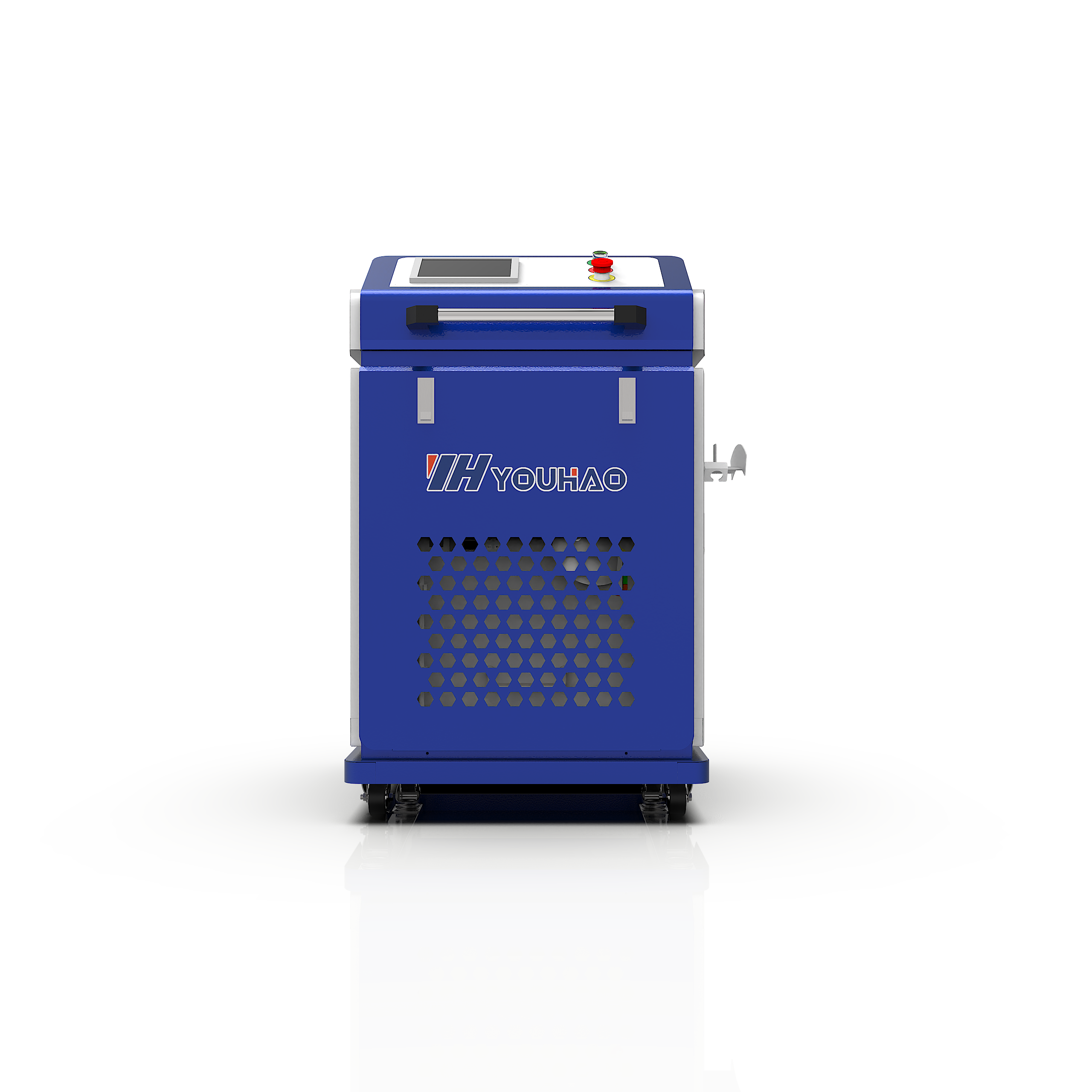
Traditional TIG and MIG welding methods are rapidly giving way to advanced laser alternatives. Modern fabricators demand faster processing speeds and significantly reduced thermal distortion. They also require dramatically lower post-weld finishing costs to remain competitive. However, navigating today’s market presents a significant challenge. The industry is currently flooded with countless commercial variants. This saturation makes it incredibly difficult to separate true industrial-grade equipment from unreliable, low-quality imports.
You face the difficult task of finding a system that meets your exact production demands. You must avoid overpaying for unnecessary features while securing a highly reliable unit. This article provides a rigorous, compliance-aware evaluation framework to guide your purchasing decision. You will learn how to accurately match your specific material requirements with the right technology. We will help you navigate safety standards, evaluate various machine form factors, and choose trustworthy vendors for a seamless workflow integration.
Key Takeaways
Power does not equal quality; matching wattage (1kW–3kW) to specific metal types and thicknesses is the primary driver of ROI.
Form factor matters: Dedicated systems maximize throughput, while modern multi-function machines (cleaning/cutting/welding) offer versatility for job shops.
Hidden implementation costs—specifically Class 4 laser safety compliance, gas supply, and proprietary consumables—must be factored into the final purchasing decision.
Reliable vendor selection hinges on local support, warranty terms, and the availability of un-gated software updates.
Assessing Your Production Needs vs. Machine Capabilities
Every fabrication shop handles a unique mix of materials. You must accurately define the specific requirements for your core metals before looking at machine specifications. Different metals absorb laser light differently. Highly reflective metals, like aluminum, copper, and brass, present unique metallurgical challenges. They reflect standard laser wavelengths, potentially damaging internal optical components. Processing these metals requires specific beam profiles and higher peak power compared to standard carbon or stainless steel.
Thickness and Penetration Requirements
Next, you must map your typical material thickness to the required wattage. Power dictates penetration depth. A 1000W power source easily handles thin sheet metals up to 2-3mm thick. However, you will need 2000W or more for deep structural penetration on thicker plates. Many buyers fall into a costly trap during this phase. They assume buying maximum power covers all bases. Applying a 3000W laser to thin-gauge work drastically increases burn-through risks. It warps delicate parts and creates brittle joints. Match your wattage closely to your most common daily applications.
Volume and Workflow Dynamics
Finally, carefully evaluate your daily production volume and overall workflow. Fabrication environments generally fall into two categories:
Automated, High-Volume Production Lines: These setups demand absolute consistency. They require seamless CNC integration and robotic arms. Cycle times rule the process. Operators preset parameters, and the machine handles continuous, repetitive tasks.
Low-Volume, High-Mix Custom Workshops: These environments prioritize flexibility over raw speed. Operators tackle different joints, angles, and materials every single shift. Quick changeovers and manual dexterity become the most critical factors for success.
Form Factors: Dedicated vs. Multi-Function Systems
The physical design of the equipment heavily influences your shop's efficiency. The rise of handheld systems has completely transformed manual metal fabrication. A handheld fiber laser welding machine offers immense operational advantages over traditional fixed torches. It easily navigates complex, out-of-position welds. Operators can maneuver around large, bulky assemblies quickly. This maneuverability remains absolutely critical for custom fabrication jobs where parts cannot be easily rotated.
Multi-Process Versatility
Multi-process versatility brings another layer of massive value to modern job shops. Space-constrained workshops benefit greatly from investing in a portable 3 in 1 fiber laser welding machine. These versatile units combine joining, basic cutting, and pre-weld surface cleaning into a single mobile footprint. They save valuable floor space and significantly reduce equipment clutter.
You can also upgrade to a sophisticated 4 in 1 laser welding machine. This option adds a dedicated post-weld seam cleaning capability. It effectively removes thermal oxidation and eliminates tedious manual grinding. However, you must carefully consider realistic operational trade-offs. Switching operating modes frequently impacts continuous duty cycles. Changing nozzles and adjusting software parameters takes time. Ensure your daily workflow comfortably accommodates these brief transitional downtimes.
Automated and Stationary Systems
For high-precision manufacturing, automated and stationary systems remain supreme. Fully enclosed, CNC-driven machines completely eliminate human error. They deliver the high-repeatability results required for critical aerospace, medical, or automotive components. These dedicated systems maximize throughput but lack the spontaneous flexibility of handheld units.
Technical Specifications: The E-E-A-T Evaluation Framework
Understanding the underlying technology ensures a smart, future-proof investment. A modern fiber laser welding machine for metal has largely replaced older Nd:YAG and CO2 systems across the industry. Fiber technology delivers vastly higher wall-plug efficiency. It converts electrical power into optical power with roughly 30% efficiency, compared to less than 5% for older methods. Furthermore, it utilizes a completely maintenance-free delivery method via a flexible, durable optic cable.
Continuous Wave (CW) vs. Pulsed Operation
You must understand when to utilize different laser emission modes. Continuous Wave (CW) and Pulsed operations serve distinct metallurgical purposes.
Table: Continuous Wave vs. Pulsed Laser Modes
Feature
Continuous Wave (CW)
Pulsed Operation
Energy Delivery
Uninterrupted, constant beam
Rapid, distinct bursts of energy
Best Applications
Deep penetration, thick metal plates, high-speed seams
Prevents thermal runaway and minimizes part warping
Cooling Systems: Water vs. Air
Cooling systems directly dictate how long you can operate the equipment safely. Heavy-duty applications over 1500W demand continuous water-cooled systems. These chillers maintain stable temperatures for the diode source and the delicate optics. Conversely, emerging air-cooled handheld units offer superior portability. They weigh significantly less and suit lighter tasks perfectly. However, air-cooled units carry strict ambient temperature limitations. They generally feature lower continuous duty cycles during peak summer months.
Wire Feeder Integration
Do not overlook wire feeder integration. Autogenous joining (welding without filler metal) works beautifully for tight, precisely machined joints. But real-world fabrication often involves imperfect fit-ups. Larger root gaps demand a synchronized dual-drive wire feeder. This critical accessory pushes filler wire directly into the melt pool. It bridges gaps smoothly, prevents undercutting, and ensures structural joint integrity.
Facility Realities, Safety Compliance, and Hidden Costs
Integrating a powerful laser welding machine involves strict facility requirements. You cannot treat these devices like traditional arc welders. Class 4 laser safety integration remains absolutely critical and non-negotiable. The invisible infrared beam can bounce off reflective surfaces and cause instant, irreversible eye damage.
Class 4 Laser Safety Integration
To comply with industry standards, you must implement rigorous physical safeguards. You must install proper optical enclosures or laser-safe curtain zones. Facility doors require interlock systems to shut down the beam if someone enters unexpectedly. Operators and bystanders require specific OD-rated eyewear matched precisely to the equipment's wavelength (typically around 1064nm to 1080nm). Additionally, proper fume extraction systems must capture hazardous metal vapors. Vaporized coatings, especially from galvanized or stainless steel, pose severe respiratory risks.
Power and Gas Infrastructure
Power and gas infrastructure represent significant logistical steps. Most industrial units require stable 220V single-phase or 380V 3-phase electrical connections. Verify your facility's electrical panel capacity before ordering. You also face the ongoing consumption of assist gases. Argon and Nitrogen act as vital shields for the liquid weld pool. They prevent atmospheric contamination and oxidation. Nitrogen is often preferred for stainless steel to maintain corrosion resistance, while Argon provides a highly stable arc environment for varied metals.
Consumables and Maintenance
Transparency regarding recurring operational expenses ensures accurate budget planning. While fiber sources are largely maintenance-free, the torch head requires regular upkeep.
Protective Lenses: These sit behind the nozzle to block spatter from hitting the expensive focusing optics. They require frequent replacement, often daily or weekly, depending on operator skill.
Copper Nozzles: These guide the assist gas and wire. They wear down gradually from intense heat exposure and accidental surface dragging.
Cooling Fluid: Water-cooled chillers require routine fluid checks. You must use deionized water and replace it periodically to prevent internal algae growth or scaling.
Common Mistakes to Avoid:
Operating the unit without activating the assist gas, which instantly destroys the protective lens.
Ignoring daily lens inspections, leading to permanently damaged internal optics.
Placing air-cooled units in dusty, unventilated corners where ambient heat exceeds operating thresholds.
Shortlisting Vendors and ROI Justification
Do not rely blindly on glossy manufacturer specification sheets. Real-world performance often varies from lab-tested claims. Always demand a custom proof of concept before finalizing any purchase. Reputable vendors will happily process sample parts using your exact materials. This critical step confirms actual penetration depths, visual edge quality, and true processing speeds. Request video documentation of the process, and ask them to ship the completed parts back for destructive testing.
Software Ecosystem
Evaluate the digital software ecosystem carefully. The touchscreen user interface must be intuitive for everyday operators. Avoid proprietary, locked-down controllers at all costs. They often lock buyers into expensive, mandatory service contracts. Instead, favor open-architecture systems. These systems allow straightforward parameter adjustments. They feature built-in material libraries that help novice operators set up quickly. They also allow untethered software updates without gating features behind paywalls.
Post-Sale Support Network
Finally, thoroughly examine the post-sale support network. Buying cheap foreign imports lacking domestic service centers carries immense financial risk. Equipment downtime quickly paralyzes production schedules and destroys profit margins. You should expect robust, industry-standard warranty terms. A highly reliable vendor provides at least 2 years of coverage on the fiber laser source. They should also provide a minimum 1-year warranty on the machine chassis and chiller components. Ensure they maintain a local inventory of spare lenses, nozzles, and replacement torch cables.
Conclusion
Selecting the ideal equipment requires carefully balancing facility readiness, material demands, and budget constraints. Power levels must align perfectly with your typical material thickness to prevent costly rework. Form factors should match your operational workflow, whether you need the maneuverability of a handheld torch or the versatility of a multi-function unit.
We strongly recommend standardizing your internal safety protocols before the equipment even arrives at your loading dock. Install proper enclosures, upgrade electrical panels, and secure the correct OD-rated eyewear early. Understanding the recurring costs of gas and lens replacements will keep your operational budget accurate. Promptly take the next critical evaluation step: contact a shortlisted manufacturer today to request a comprehensive time-study or a custom test weld on your specific parts.
FAQ
Q: How difficult is the transition from TIG to a handheld laser welder?
A: The transition is surprisingly fast. Traditional TIG demands precise two-handed coordination and puddle manipulation. Handheld laser systems largely automate heat input and wire feeding. The learning curve typically requires a few hours to days, rather than months. Operators primarily focus on maintaining a consistent travel speed and the correct torch angle.
Q: Can a laser welding machine weld dissimilar metals?
A: Yes, it handles dissimilar metals exceptionally well. The highly concentrated heat minimizes the mixing of base materials, which prevents brittle intermetallic compounds. However, success depends heavily on metallurgical realities. You must select specific, compatible filler wires to bridge the chemical differences between the two distinct metals safely.
Q: What is the typical lifespan of the laser source?
A: Industry-standard solid-state fiber laser diodes boast an impressive lifespan of approximately 100,000 continuous hours. This translates to decades of standard shift work. However, you must separate the source lifespan from peripheral component wear. Lenses, nozzles, and flexible torch cables require regular, ongoing replacement to maintain peak system performance.
Shandong Youhao Energy Technology Co., Ltd located in Rizhao E&D zone, is one leaderof CNC manufactures in wood-working machinery industry, which dedicates to the R&D.