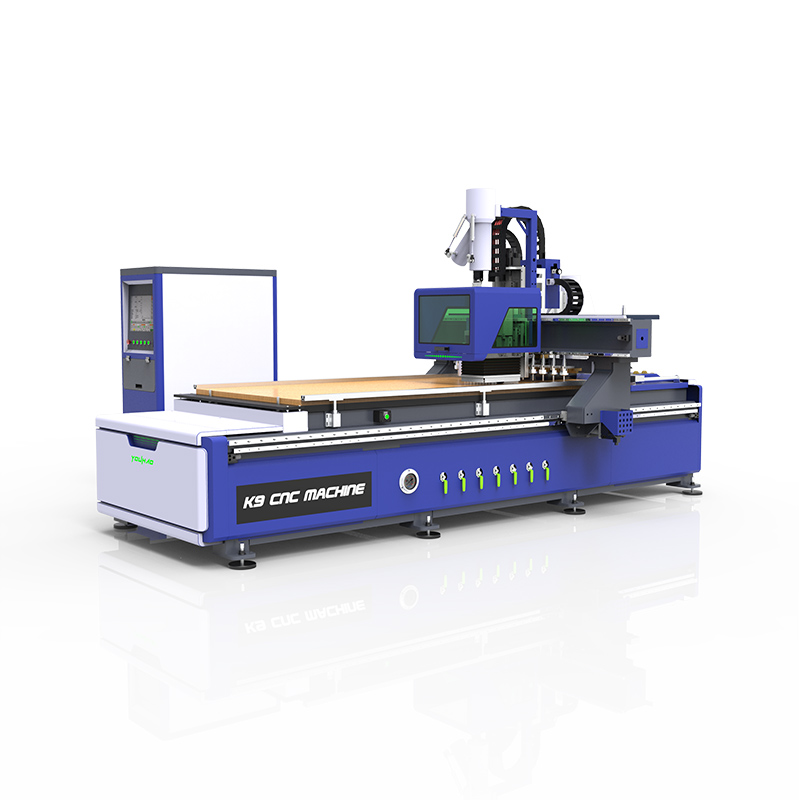
Are you losing money to the hidden 15 to 30 percent of material waste in your panel furniture production? For many shop owners and manufacturers, raw boards represent the largest ongoing expense. Traditional manual layouts, inefficient cutting paths, and high scrap rates quietly erode profit margins. They choke production lines and make it increasingly difficult to scale operations in a competitive global market.
The solution lies in digital optimization. Nesting software acts as the intelligent brain driving modern manufacturing. It transforms raw design files into finished components with mathematical precision. By pairing advanced nesting software with a high-performance nesting CNC router, woodworking shops can drastically reduce material waste. You recapture lost labor hours and maximize overall production throughput.
Key Takeaways
Material Efficiency: Algorithmic planning typically reduces panel waste to mere single digits compared to outdated manual layout methods.
Time Savings: Optimized tool paths significantly reduce machine idle time, speeding up operations directly at the cutter.
Seamless Automation: Integrating smart software with heavy-duty machinery allows for continuous, highly efficient production cycles with minimal human intervention.
Furniture Focus: Specialized routing equipment easily handles complex custom cabinetry requirements, including strict wood grain direction and true-shape interlocking.
Observing the current trajectory of the woodworking sector, there is a massive shift toward data-driven manufacturing. Factories are no longer just buying machines; they are investing in integrated digital ecosystems. Rising global timber prices and strict environmental regulations are forcing manufacturers to prioritize sustainability. Consequently, cloud-based programming integration and intelligent remnant tracking are becoming standard requirements rather than optional upgrades. This evolution means that relying on operator intuition for sheet layout is rapidly becoming obsolete.
Understanding the Digital Infrastructure in Panel Cutting
To fully grasp how modern cabinet shops maintain high throughput, we must look beyond the heavy iron and examine the digital infrastructure. The software acts as the critical bridge between raw design concepts and the physical reality of the factory floor.
What is Algorithmic Part Placement?
In manufacturing terms, nesting refers to the strategic arrangement of two-dimensional parts on a flat sheet of material. Think of it as solving a complex, high-stakes jigsaw puzzle where every wasted inch costs money. Historically, operators relied on manual layouts. They used spatial intuition to place rectangular bounding boxes. This method is incredibly labor-intensive. It frequently leaves large, usable portions of the sheet as scrap. Software-driven algorithms change this dynamic entirely. They evaluate thousands of potential combinations in milliseconds, consistently identifying the tightest fit possible.
The Synergy Between Code and Spindle
A sophisticated router is only as effective as the instructions it receives. The software translates digital models into specific machine language. This code dictates exact spindle speeds, feed rates, and tool selections. By providing highly refined paths, the system ensures the cutting tool executes every drill and groove with absolute precision. We are seeing a clear trend toward deeper integration between programming systems and machine controllers. This allows for real-time diagnostic feedback, keeping the cutter running at peak performance without manual fine-tuning.
Maximizing Material Yield and Slashing Waste
Material costs remain a constant pressure point in the furniture sector. To maintain healthy margins, manufacturers must abandon the standard rectangle approach to layout.
True Shape Technology Versus Manual Methods
Advanced algorithms go far beyond simple grid patterns. They utilize true-shape technology. This recognizes the precise contours of irregular shapes. It allows smaller components to be placed securely within the negative space of larger, curved panels. As shops face mounting pressure to minimize their carbon footprint and raw material spend, this computational optimization has become the baseline for profitable manufacturing.
Production Metric
Traditional Manual Layout
Algorithmic Nesting Software
Material Waste Rate
15 to 30 percent
2 to 5 percent
Setup and Planning Time
30 to 60 minutes per job
Under 2 minutes
Handling Complex Shapes
Difficult, high margin of error
Seamless, automatic interlocking
Remnant Management
Non-existent, relies on memory
Automated database logging
Managing Grain Direction and Edge Banding
For high-end cabinetry, aesthetic quality is non-negotiable. Modern software allows programmers to set strict rotation constraints. This ensures door fronts and drawer panels maintain consistent wood grain orientation. Beyond aesthetics, the system manages edge banding allowances by accounting for the exact thickness of the tape. Balancing these constraints with spatial efficiency ensures fewer full sheets are pulled from inventory.
Engineering Efficiency Directly at the Cutter
While maximizing material yield is a primary objective, operational efficiency on the shop floor dictates your ultimate capacity. Every second the spindle spends moving through empty air is a second lost in revenue.
Optimized Tool Paths and Reduced Idle Time
Intelligent programming sequences operations logically. The system will group all drilling tasks for a specific bit size to occur consecutively before calling for a tool change. Furthermore, it calculates the shortest possible travel distance between cuts. By minimizing unnecessary retracts and plunges, the software shaves critical seconds off each sheet. These micro-savings compound into massive gains over a long production shift.
Leveraging High-Performance Hardware
When software efficiency pairs with an Automatic nesting cnc router, the production environment changes fundamentally. Look at the hardware specifications required for this synergy. Machines equipped with 9kW air-cooled spindles and 12-slot automatic tool changers can manage complex profile cutting without human intervention. High-flow, multi-zone vacuum tables ensure that even the smallest nested parts remain perfectly stationary under intense cutting forces. This setup is essential as skilled labor remains scarce, allowing your team to focus on assembly rather than repetitive machine setup.
Revolutionizing Custom Cabinetry Workflows
Cabinet makers face distinct challenges regarding the high-mix and low-volume nature of custom orders. Modern production lines must be agile enough to switch between entirely different project specifications without a drop in efficiency.
Seamless Integration from Design to Cut
The modern cabinet-making workflow leans heavily on parametric design. When an engineer adjusts a cabinet width from 600 millimeters to 650 millimeters, the linked software automatically updates the associated parts list. It immediately triggers a fresh calculation. This direct link is critical for a panel furniture cnc nesting machine to operate at peak agility. It completely eliminates the lag between design finalization and the first cut.
Handling Complex Custom Orders with Ease
Today’s manufacturers frequently aggregate orders from multiple clients onto single sheets to optimize material usage. Software excels here by pooling part lists. It ensures that even custom one-off projects are nestled among larger production runs. This macro-level optimization is a game-changer for mid-sized shops aiming to compete with industrial-scale manufacturers.
Practical Selection Criteria for Upgrading Your Line
When evaluating potential upgrades, savvy buyers must look past marketing claims and focus on concrete technical capabilities. A true industrial setup requires specific features to guarantee a return on investment.
Scrap Management and Remnant Tracking: The system should save usable off-cuts into a digital database. When the next project begins, the algorithm automatically checks these remnants before pulling a fresh sheet, preventing waste from piling up in the bin.
Common Line Cutting: By aligning two parts along a single edge, the router separates them both with one pass. This halves the distance the bit travels for those edges, drastically reducing cycle times and extending tool life.
Collision Avoidance and Fly Machining: Advanced features ensure the router bit travels safely around previously cut parts that might have shifted slightly due to vacuum pressure. This guarantees both high rapid traverse speeds and operational safety.
Scaling Up to Fully Automated Production Cells
For manufacturers aiming to scale, transitioning to a fully integrated production cell is the next logical step. These systems function as a synchronized mechanical orchestra.
Connecting Software to Automated Material Handling
A fully automated Nesting Cnc Router Machine Automatic Cabinet Panel Furniture line removes the physical strain and bottleneck of manual loading. Automated scissor lifts present the sheet to the vacuum table, while conveyor belts clear the finished parts. Every mechanical movement is dictated by the software. This level of automation does more than save time. It standardizes the quality of output and reduces the variation that typically occurs during long, exhausting shifts.
Calculating Your Return on Investment
Investing in advanced automation requires a clear fiscal view. To justify the upgrade, calculate your potential gains across three categories. Factor in the direct dollar value of the material savings. Add the reallocation of labor hours previously spent on manual sorting. Finally, project the revenue generated from increased production capacity. For most companies, the efficiency gains from integrated software and heavy-duty automated hardware drive a measurable return within the first twelve to eighteen months.
Frequently Asked Questions
What is the best software for optimizing panel cutting?
There is no single answer, but the best system for your shop must integrate directly with your machine controller. It needs to support true-shape interlocking and include robust management tools for wood grain orientation and remnant tracking.
How much material can I realistically save using algorithmic layouts?
Industry data consistently shows that manufacturers moving from manual layouts to algorithmic systems observe a 15 to 30 percent reduction in raw material consumption. This effectively lowers the cost-per-unit for every finished piece.
Can the system handle wood grain direction for visible cabinet panels?
Yes. High-end programs provide specific grain-lock features. These force the algorithm to respect the vertical or horizontal direction of the wood fibers, ensuring that cabinet doors and drawer fronts look professional and consistent.
What is the difference between a standard router and a specialized panel cutting machine?
While a standard router handles a variety of general tasks, a specialized machine is engineered specifically for sheet goods. It features a high-flow, multi-zone vacuum table critical for holding down large-format panels securely during high-speed cutting. This ensures parts do not shift under heavy spindle loads.
How do I choose the right automated line for a growing furniture shop?
Focus on your production volume and available floor space. A growing shop should look for a machine with automatic loading and unloading capabilities, a robust 9kW spindle, and a multi-zone vacuum system. Ensure the equipment is compatible with top-tier programming software to allow seamless scaling as your order volume increases.
Does automatic labeling integrate with these cutting systems?
Absolutely. Advanced production lines integrate automatic labeling directly at the loading station or via a robotic arm. The software generates barcodes containing part dimensions and edge banding instructions, which drastically speeds up the downstream assembly process.
Take the Next Step in Manufacturing Efficiency
Stop paying for scrap and start maximizing your production capacity. Upgrading your shop floor with intelligent digital tools and robust hardware is no longer a luxury; it is a necessity for survival in the modern furniture market. Whether you need a standalone high-precision machine or a fully automated production cell, matching the right software with industrial-grade equipment will transform your business. Evaluate your current bottlenecks, calculate your wasted material costs, and explore the advanced solutions available. Discover the perfect equipment tailored to your production needs by exploring the high-performance machinery at Youhao CNC today.
Shandong Youhao Energy Technology Co., Ltd located in Rizhao E&D zone, is one leaderof CNC manufactures in wood-working machinery industry, which dedicates to the R&D.